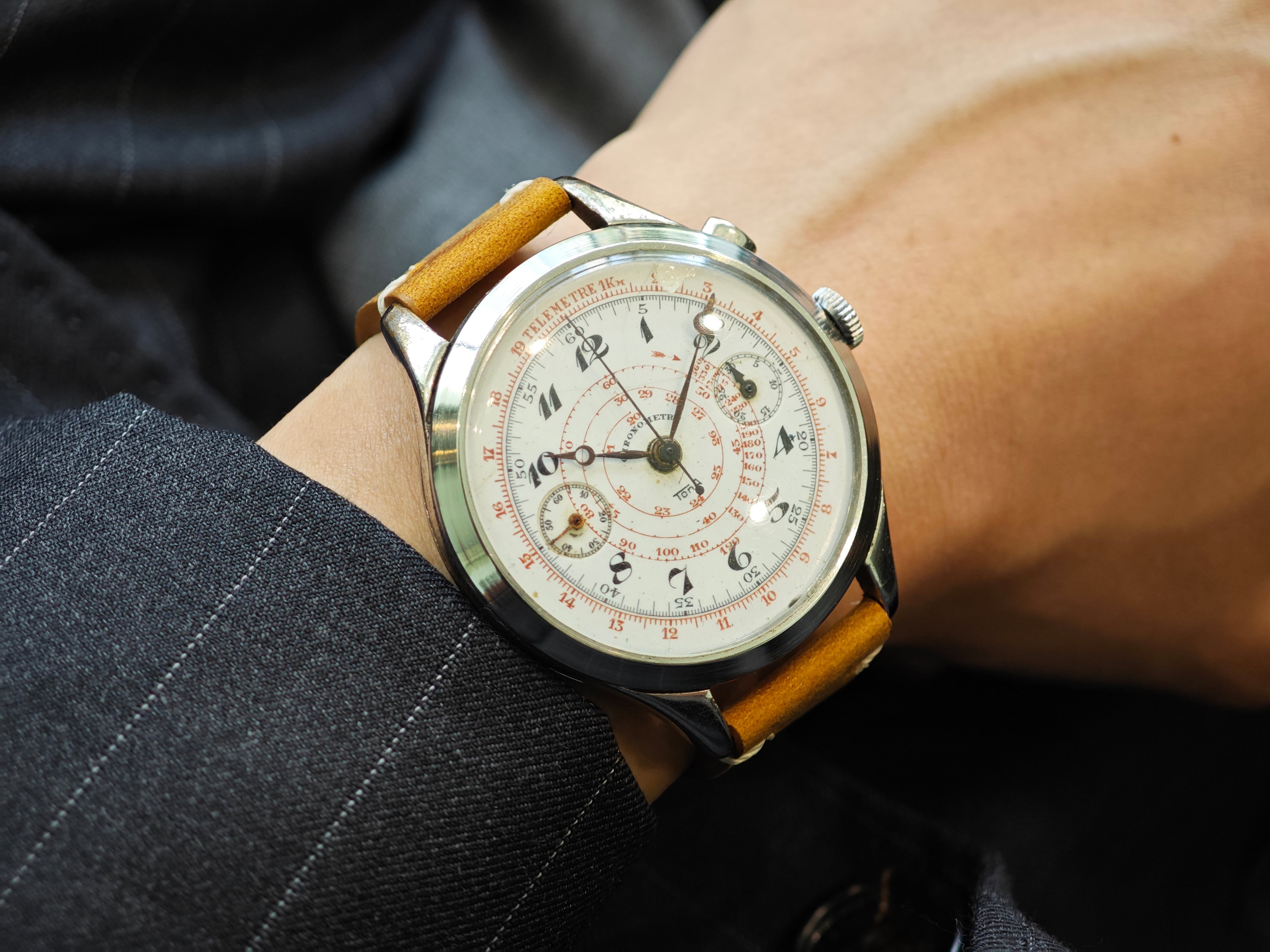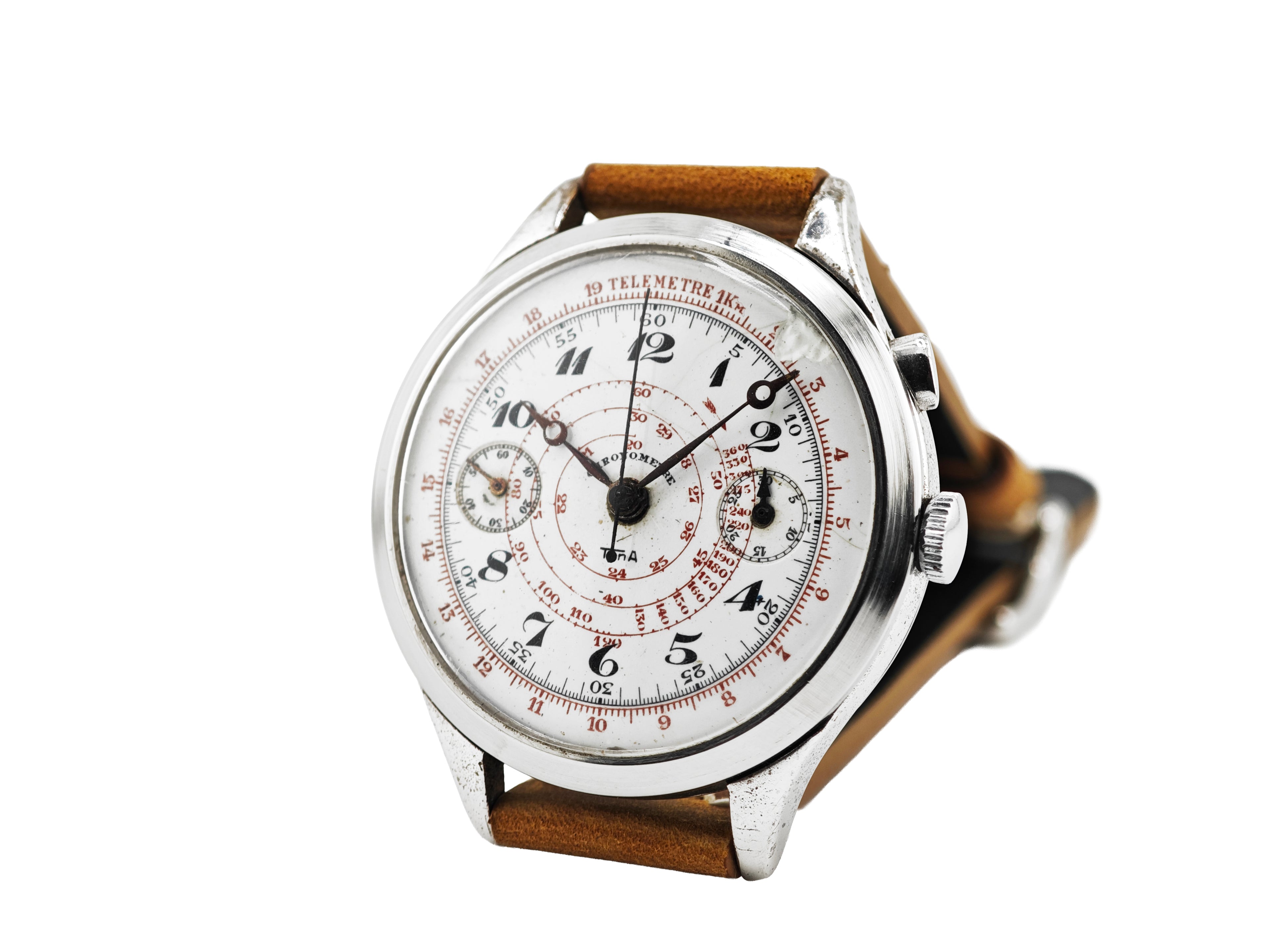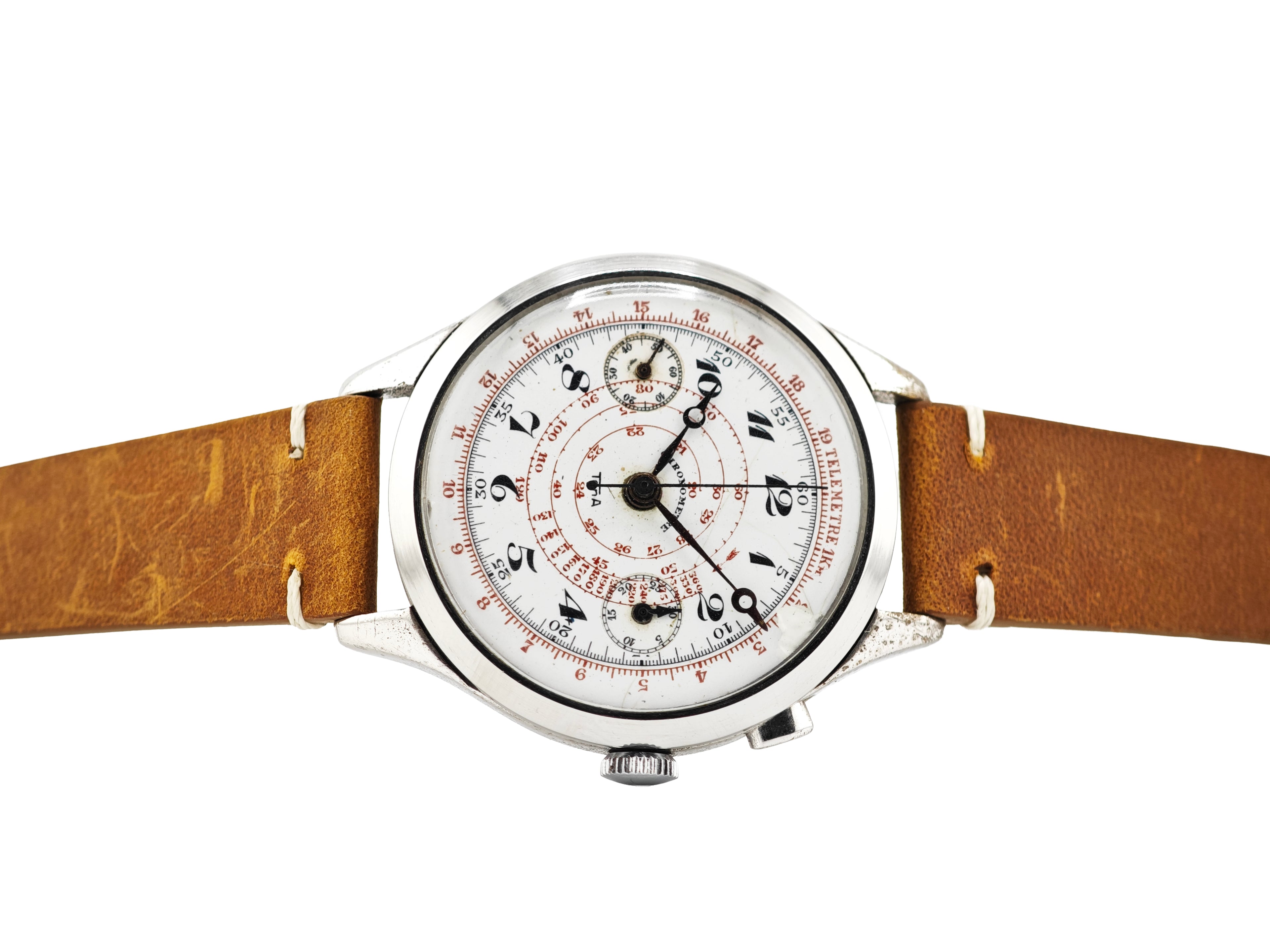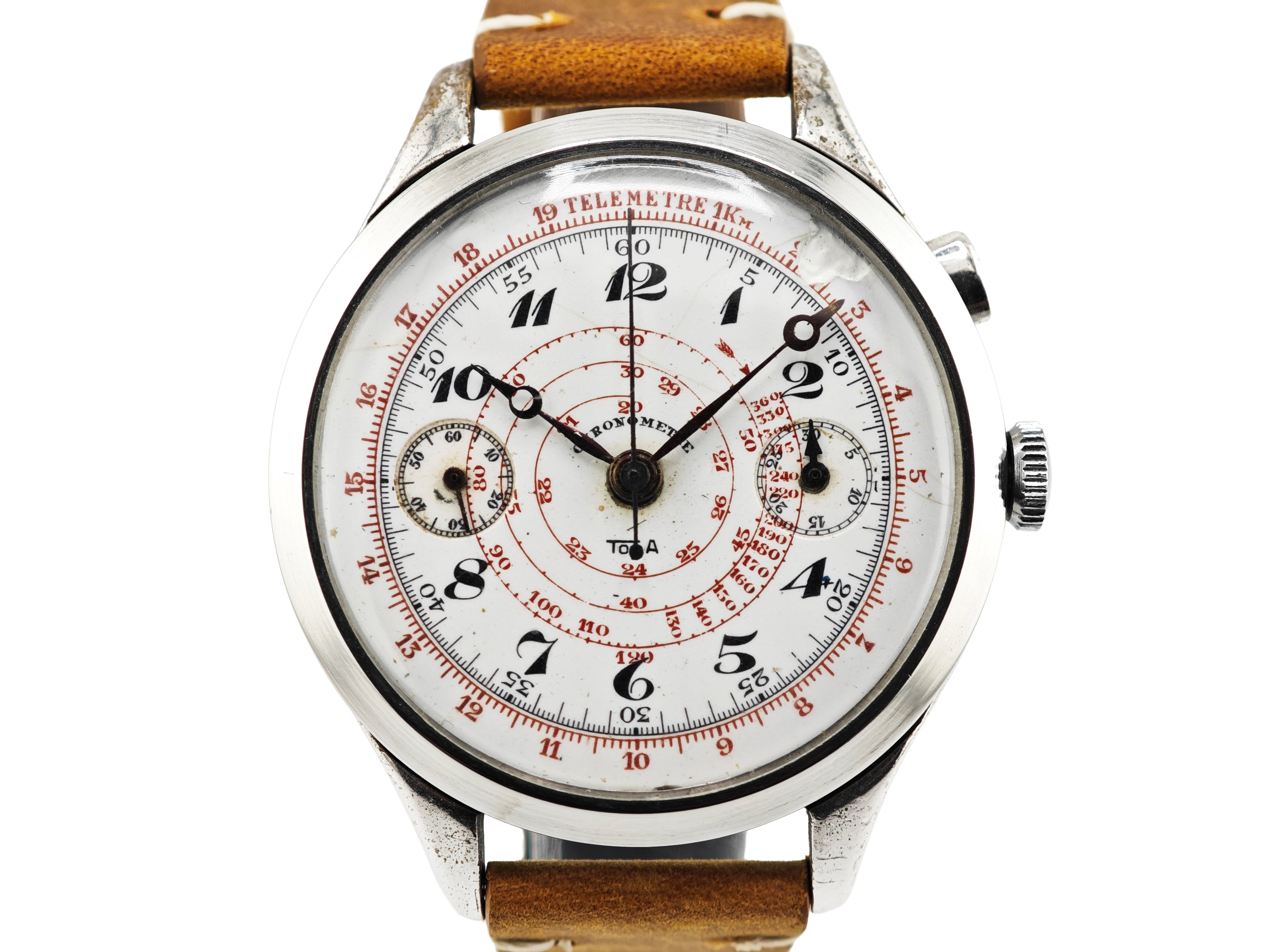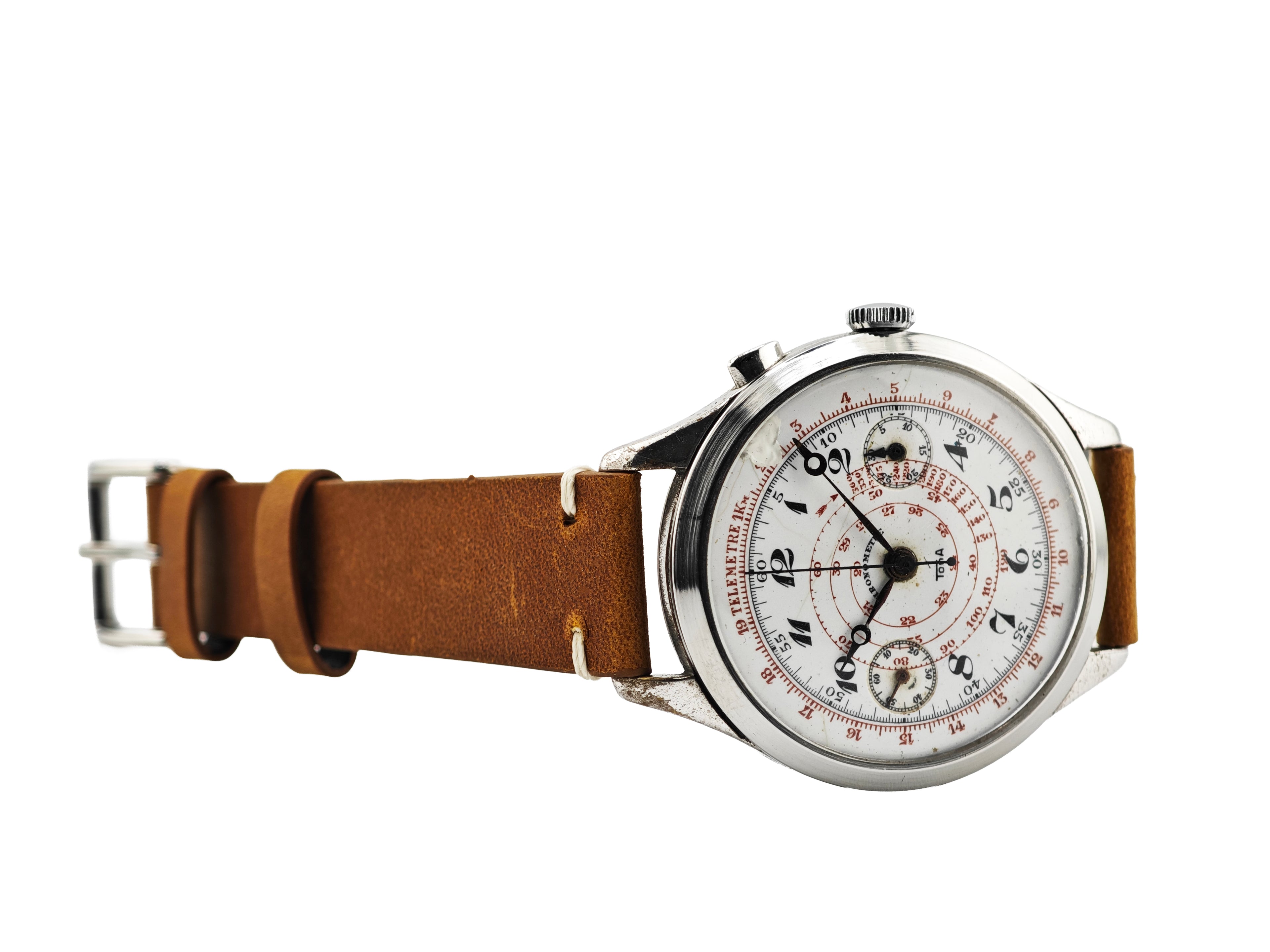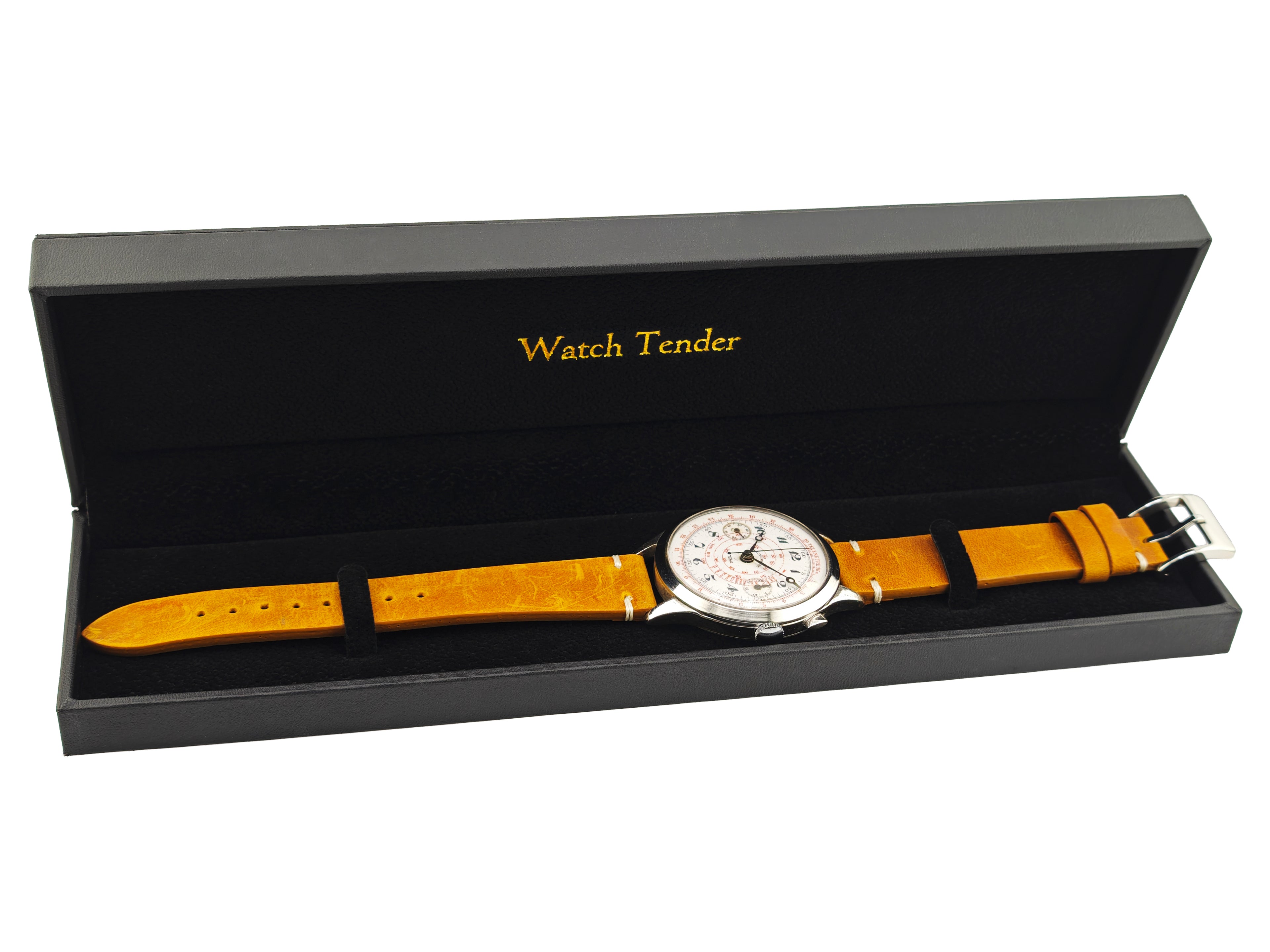



TONA Monopusher Chronograph cal. Landeron Hahn 39 / 1930s Jumbo 39mm
- Regular price
-
¥468,000 - Regular price
-
- Sale price
-
¥468,000
Click here for product spec details
REFERENCE: ─
SERIAL: ─
MOV: Hand-rolled
- CALs: Landeron HAHN 39
YEAR: 1930年代頃
- MATERIAL: SS
-
CASE SIZE: 40 mm
BAND SIZE: ─ cm
- Attachments: Our original box
Overhauled
- ITEM NO. 10350
— Across roughly a century —
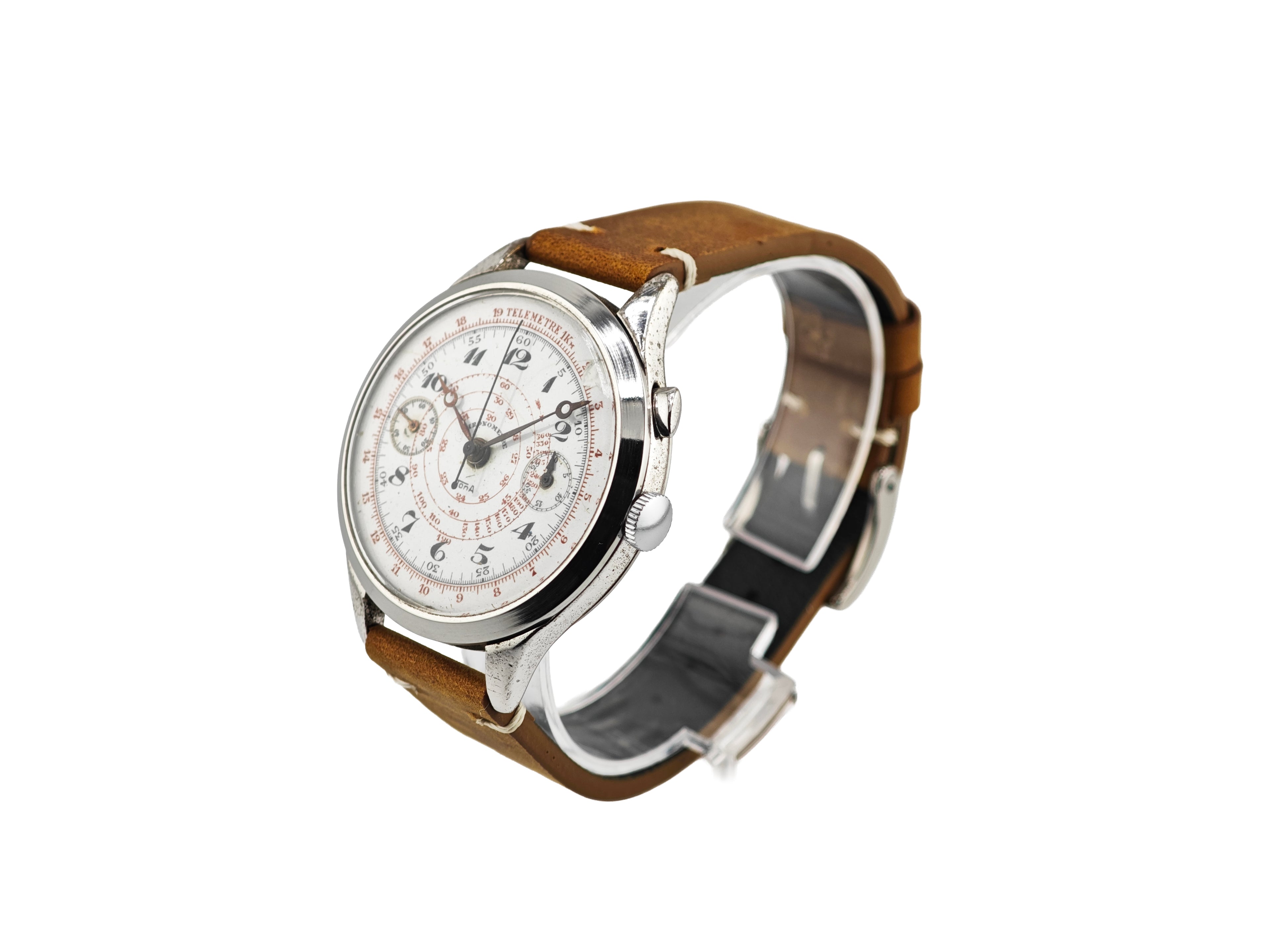
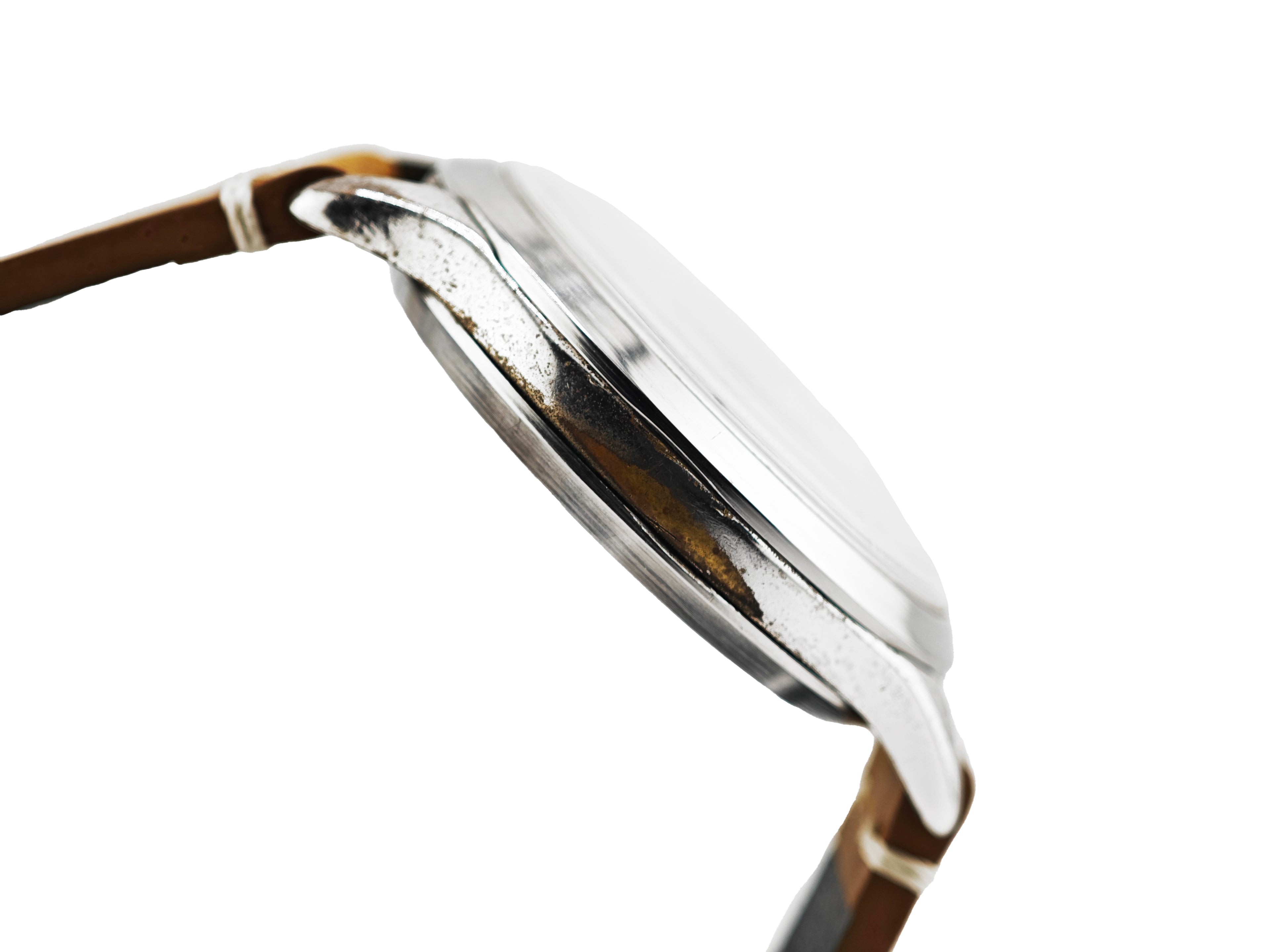
A 39mm case with the weight of age appropriate to its period, and Breguet indexes adding classical dignity.
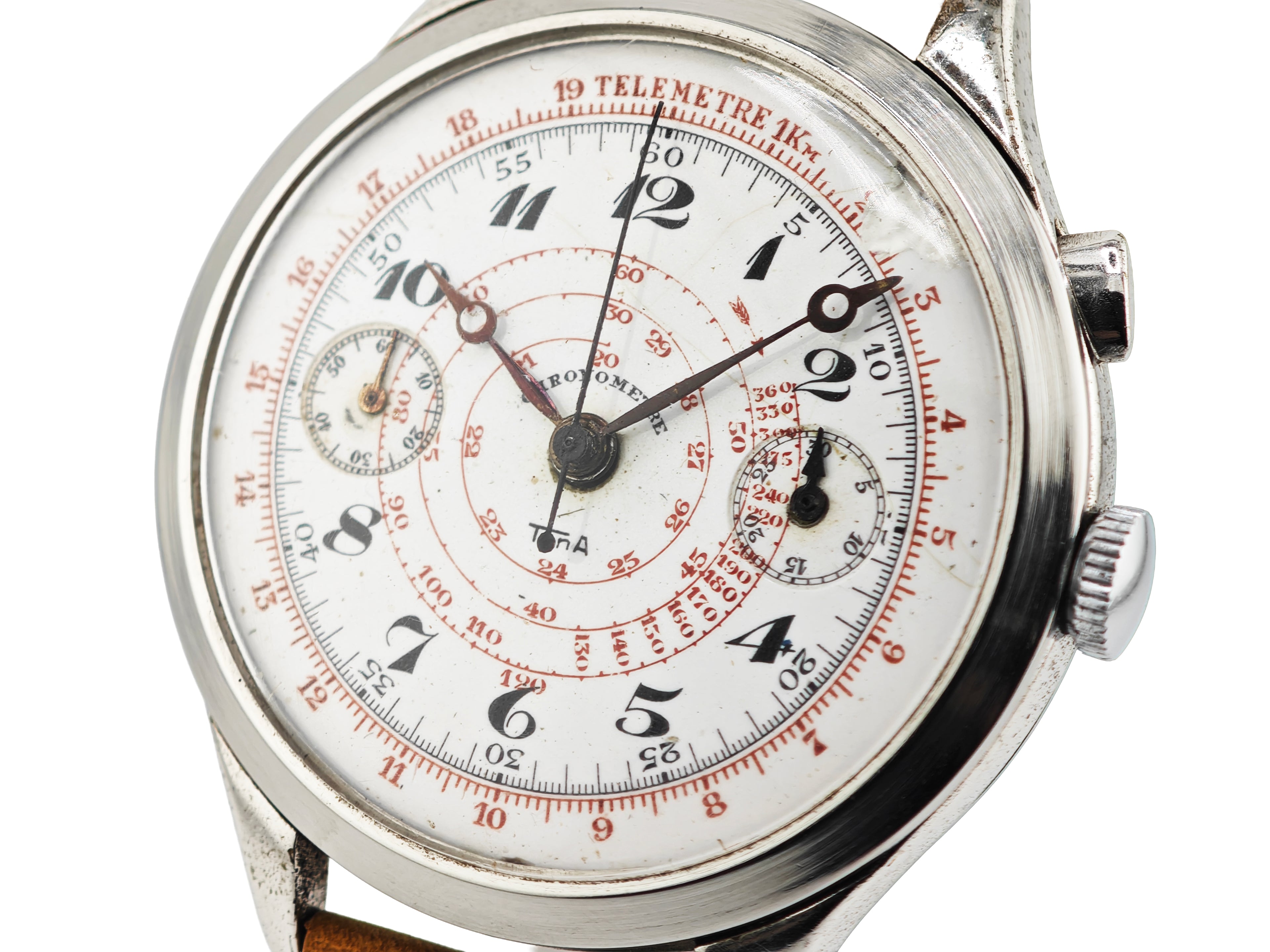
The dense dial design, woven from a central snail tachymeter and a telemeter around the periphery, holds the eye and does not let it go.
The texture of hands and dial, weathered dry by the years, gives off a quiet beauty as evidence of having lived through its era, while the details speak for what makes a vintage chronograph worth having.
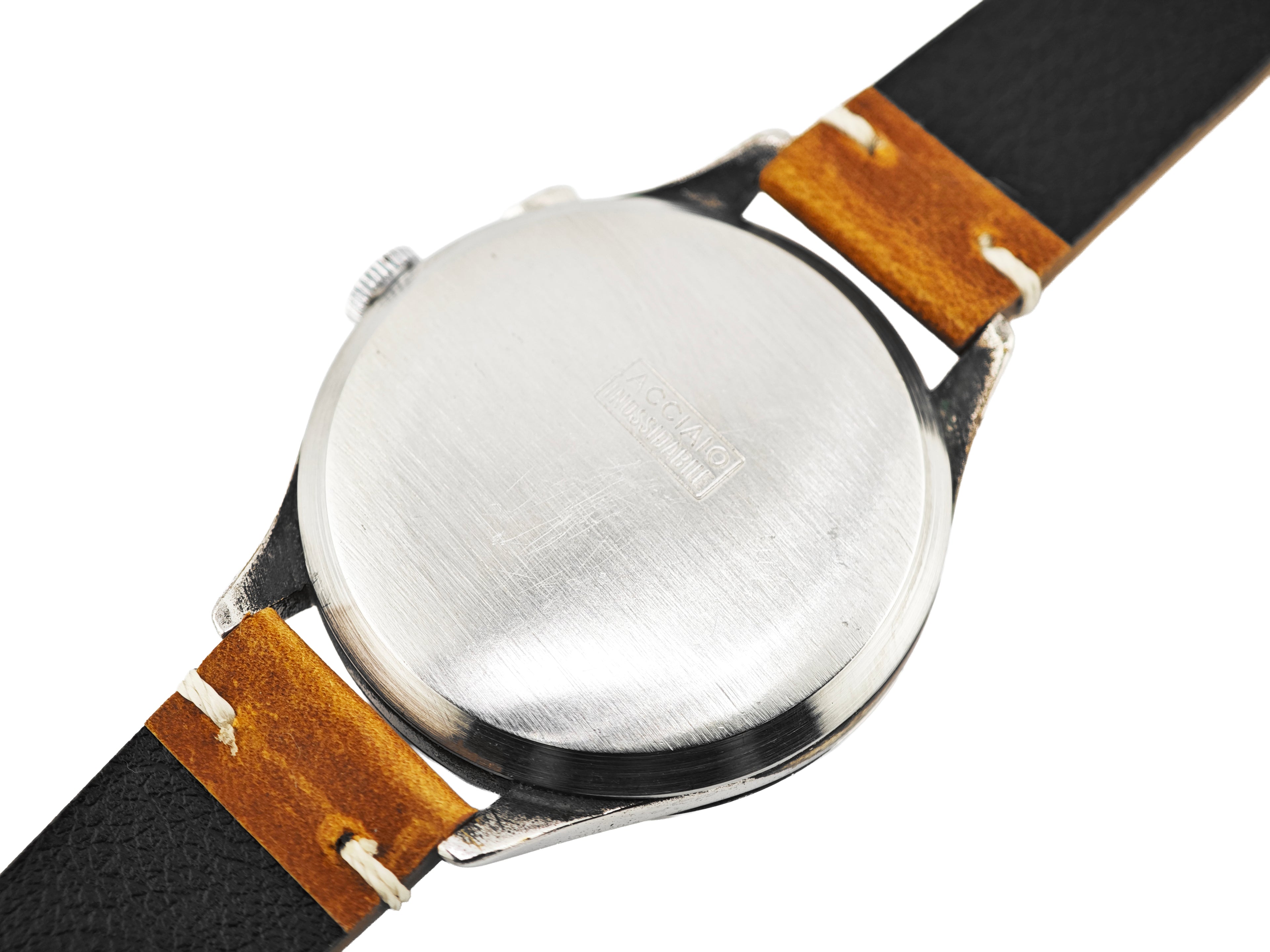
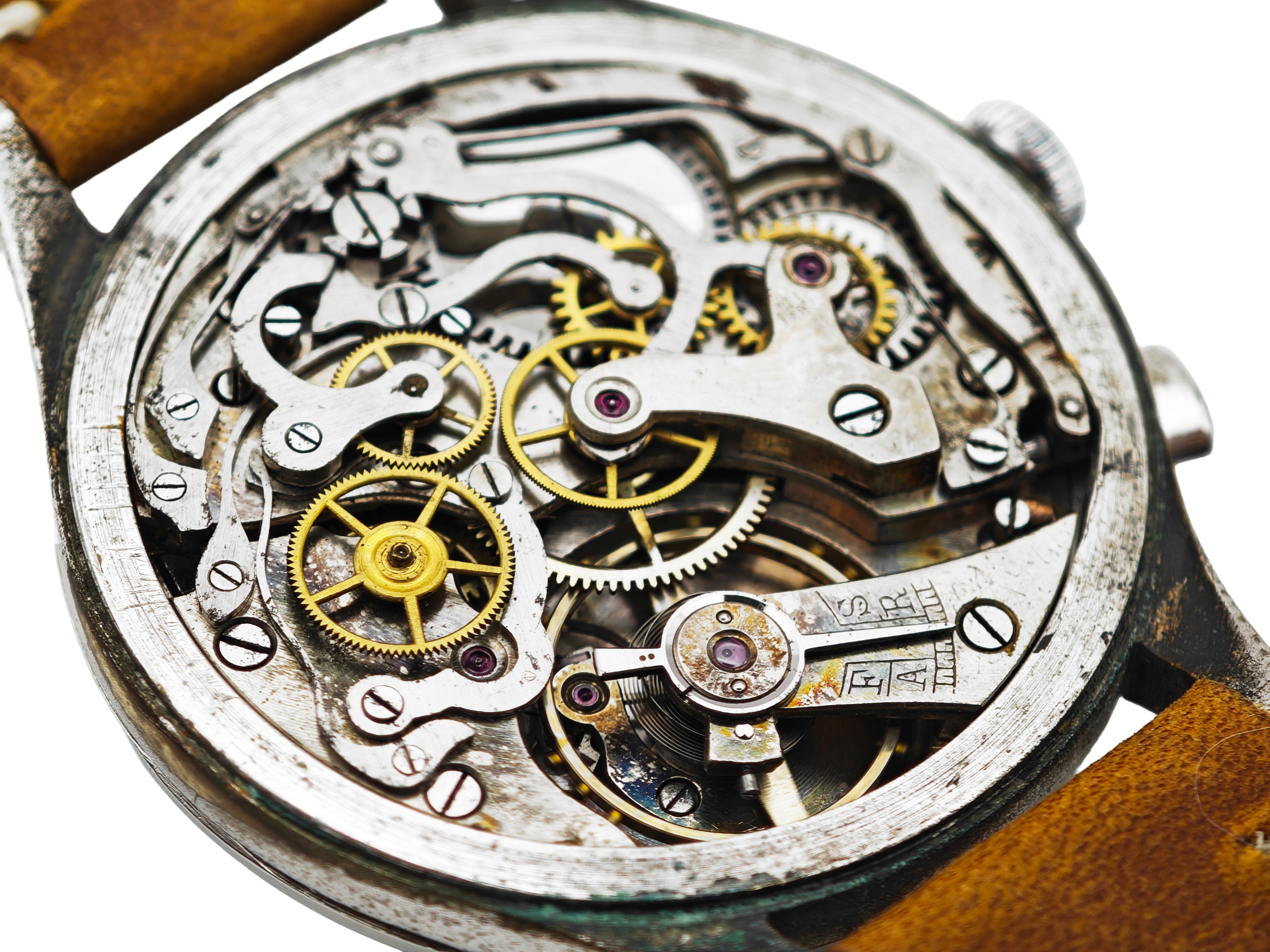
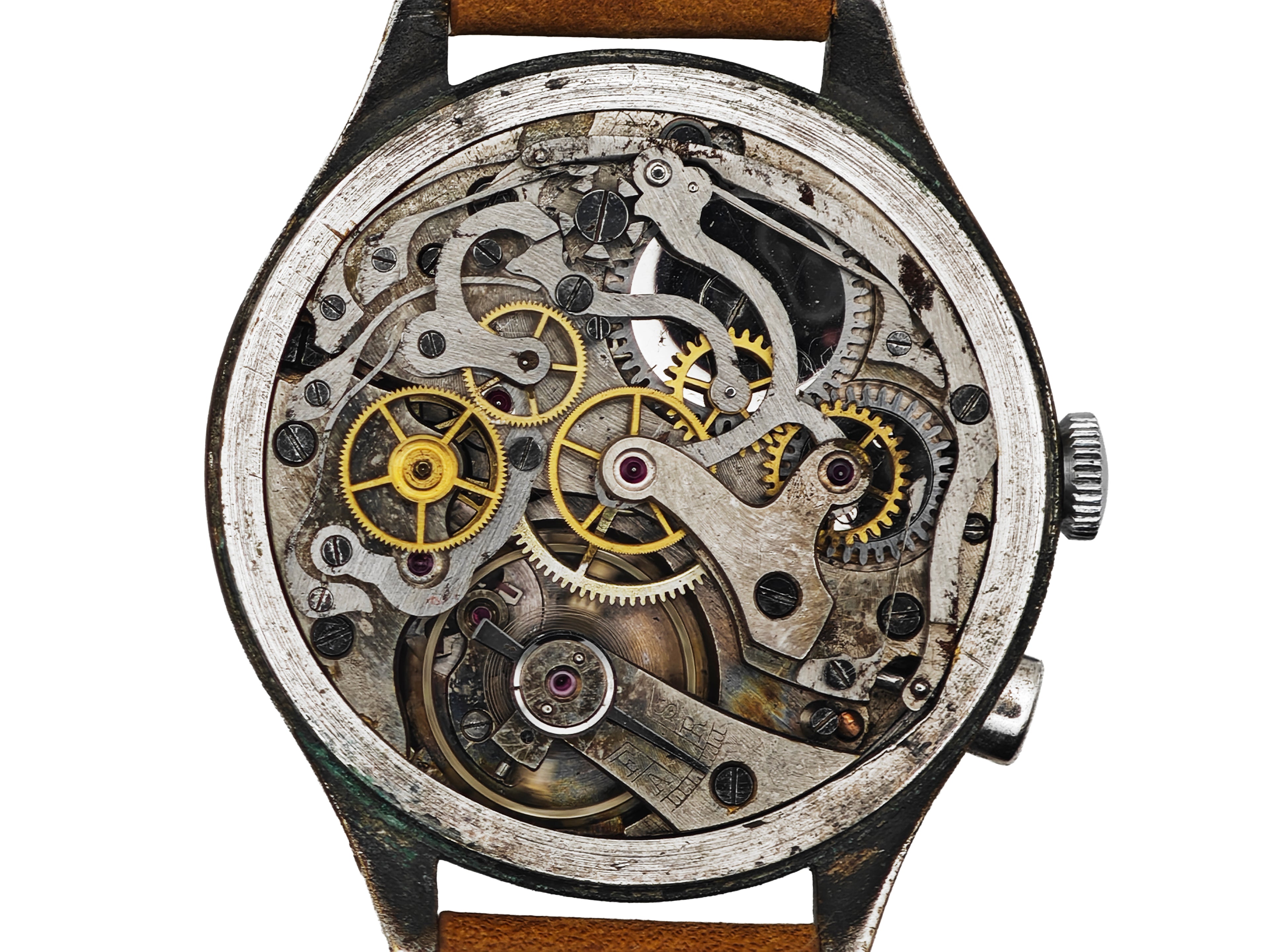
A commanding 39mm oversize case carrying the history and weight of the 1930s. Fitted with the column-wheel Cal. Landeron HAHN 39, a calibre of the transitional period. A beautifully weathered porcelain dial and dignified Breguet numerals. A pairing of a low-speed snail tachymeter and a telemeter for distance. The Italian marking "ACCIAO INOSSIDABILE," speaking for its history and scarcity.
— Cal. Landeron HAHN 39 —
Charles Hahn & Cie. was a watch movement maker in the Swiss canton of Neuchâtel.
In the 1920s it became known under the company name Landeron, and supplied movements under that name thereafter.
— The significance of the Hahn calibres —
What are called the Hahn calibres are the movements produced in Landeron's predecessor period.
Cal.39 is emblematic of the chronograph's early years — a transitional calibre showing the move from monopusher to two-pusher construction.
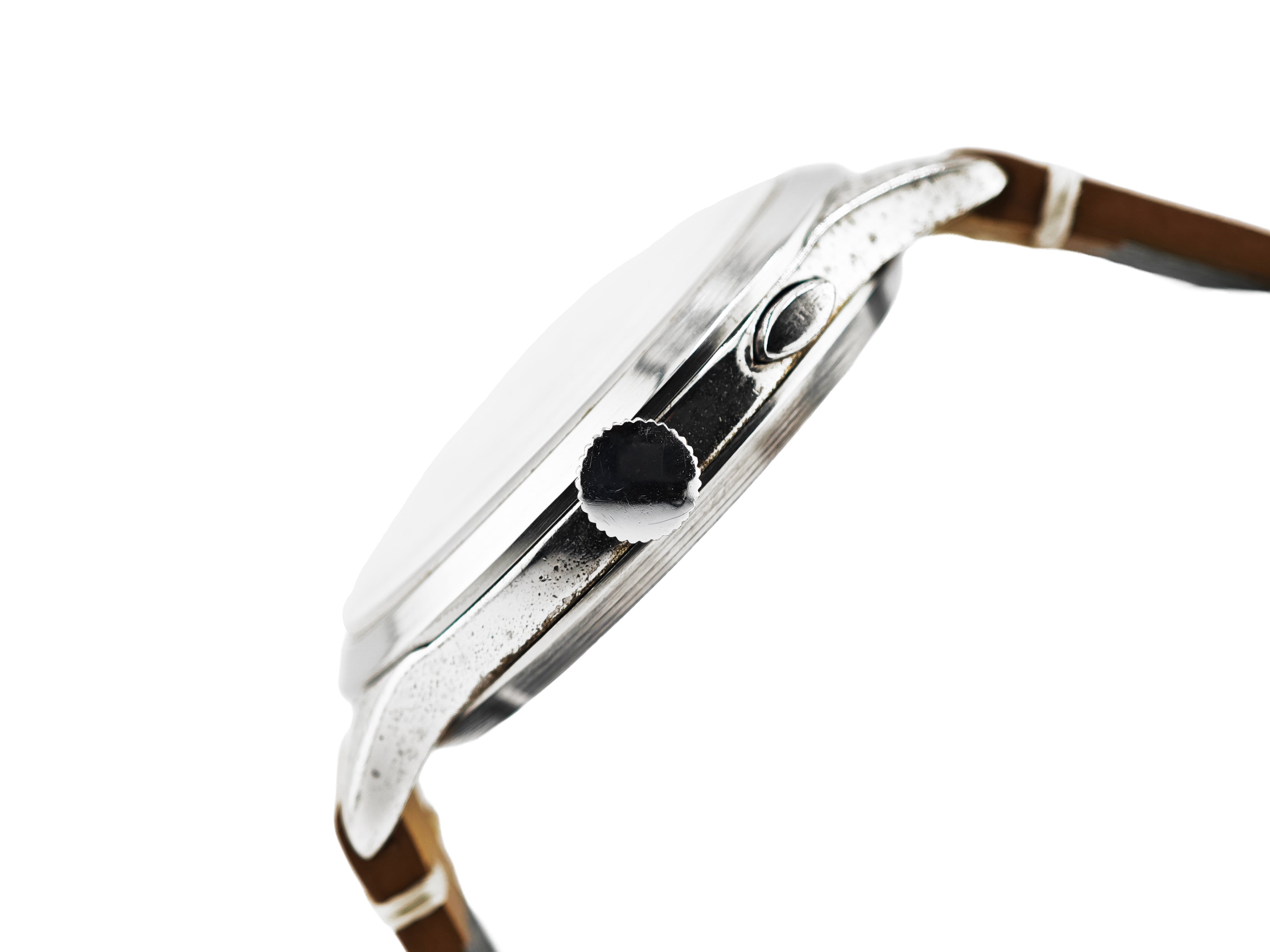
It has a column-wheel monopusher construction, controlling start, stop and reset from a single button: a mechanism that carries the breath of the chronograph's earliest era into the present.
The succeeding Cal.40 to 42 moved to two pushers, and in 1937 Cal.47/49 changed over to cam actuation.
— The "acciaio" marking —
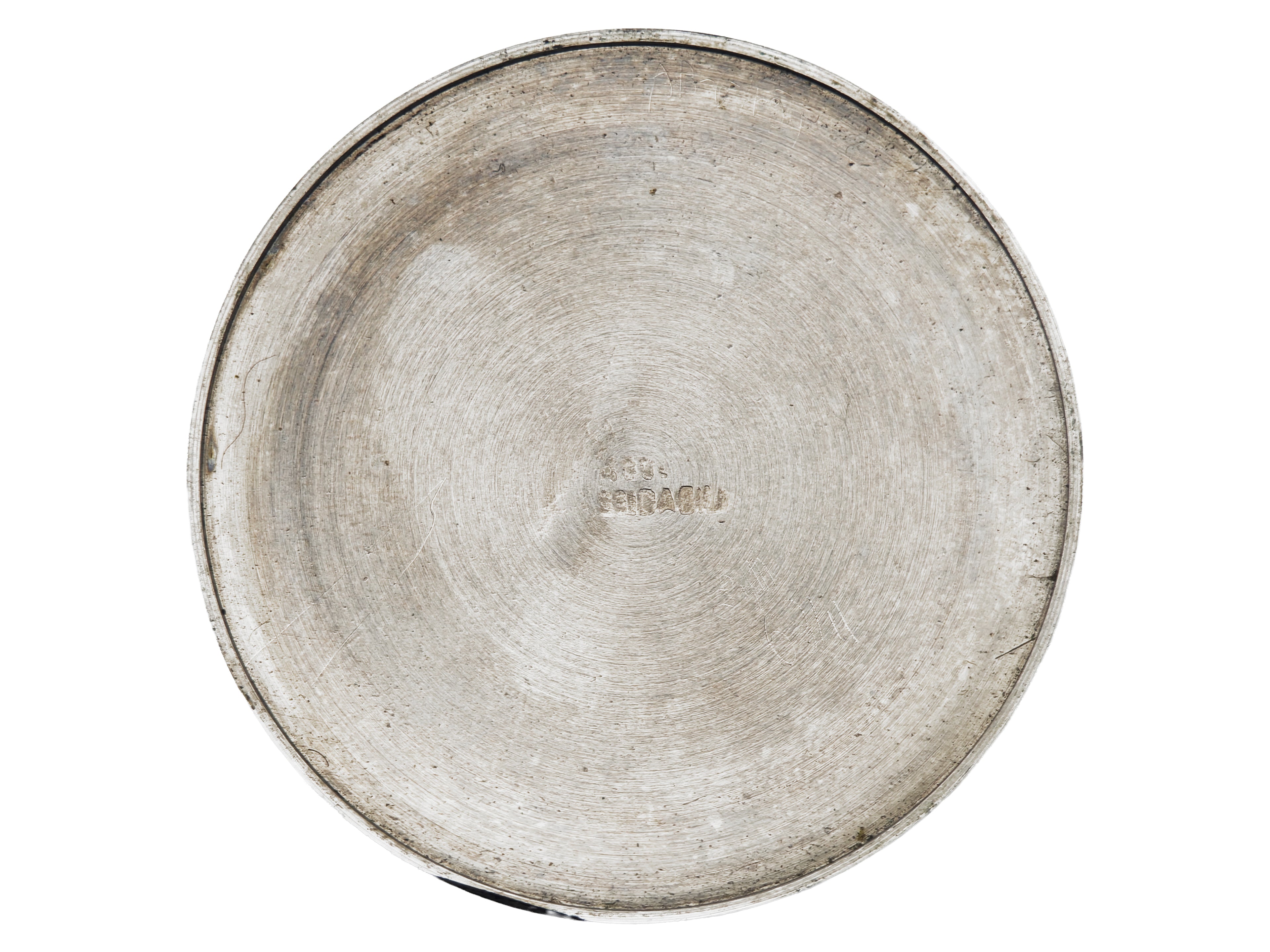
"ACCIAO INOSSIDABILE" struck on the caseback is Italian for a stainless steel case.
Swiss watch specifications also sometimes read "Cassa in acciaio inossidabile," indicating that the material is stainless steel.
— The red scale on the porcelain dial —
A red snail tachymeter is marked at the centre of the dial.
An ordinary tachymeter can only measure above 60 km/h, whereas a snail tachymeter can also read the low-speed range below 60 km/h.
— How to use the snail tachymeter —
Start the chronograph and stop it after one kilometre. The figure the seconds hand indicates on the spiral scale is the average speed.
Patented in Switzerland in 1907, it was widely adopted on chronographs of the 1940s.
— What the telemeter does —
A red telemeter scale is marked around the periphery.
From "tele" (far) and "meter" (measure), it is a scale for measuring distance.
It uses the difference in speed between light and sound: light arrives instantly, sound travels at about 340 m/s, and the distance is calculated from the interval.
— How to use the telemeter —
Start the chronograph the instant you see the light — lightning, or gunfire — and stop it the instant you hear the sound.
The figure the seconds hand indicates on the telemeter scale is the distance in kilometres.
It was used in the First World War to measure the distance of shellfire; today it can be used more playfully, to measure the distance of lightning or fireworks.
Couldn't load pickup availability
完全予約制・1組貸切/ご予約は前日18時まで